Film series: Olympic Visions
In honor of the Milano Cortina 2026 Winter Olympic Games (February 6-22, 2026), Cornell Cinema is pleased to spotlight four films that highlight the trials, tribulations, and triumphs of athletes competing in winter sports on the global stage.
The series begins with White Rock (1977), an idiosyncratic and utterly engaging account of the XII Olympic Winter Games Innsbruck 1976 from British director Tony Maylam. Maylam cast Hollywood actor James Coburn as a sort of tour guide who brings the viewer into close contact with the athletes and their craft through his own attempts, set to an electric score from British keyboardist Rick Wakeman. The film screens along with another short film Olympic Spirit (1980) – co-directed by Maylam and Drummond Challis – which chronicles the XIII Olympic Winter Games Lake Placid 1980 in a mesmerizing flow of music and images. Both films were commissioned by the International Olympic Committee, which continues to enlist filmmakers from around the world to shape a cinematic, visual record of each Olympic Games.
Next, we will feature two fictional sports films – one comedy and one drama – based on real events. Cool Runnings (1993) is the comedic saga of four Jamaican athletes going to extremes to compete as bobsled racers at the Winter Olympics, despite never having seen snow before. The aspiring bobsledders enlist the help of a washed-up former Olympian — played by with heart by the inimitable John Candy — to coach them to Olympic glory. The film is loosely based on the 1988 Jamaican bobsled team.
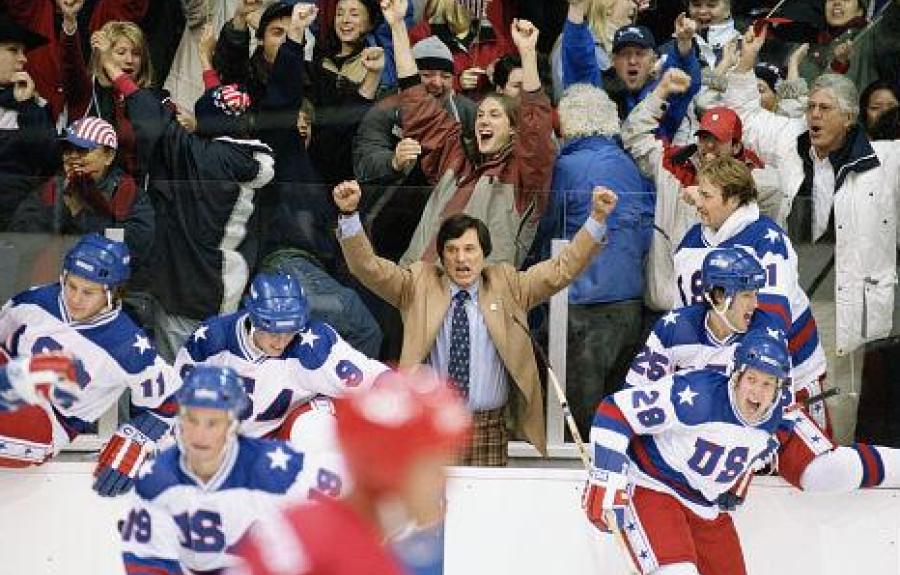
The series concludes with Miracle (2004), starring Kurt Russel as Herb Brooks, the idiosyncratic coach who led the 1980 U.S. men's Olympic hockey team to victory over an elite squad from the Soviet Union at an intense moment in the Cold War. Enhanced by an athletic cast that can actually play the sport, Miracle features pulse-pounding recreations of the historic games — and offers a bit of underdog inspiration just before this year’s ECAC Hockey Tournament kicks off. (Go Big Red!)
This series is inspired by presentations from Dr. Jennifer Minner’s spring 2025 course “World Expos and Olympic Games: Mega‐events and City Media” (CRP 3853/6690), which explored the effects of Mega-events like the Olympic Games on the production of spaces, legacies, and public imagination. Lake Placid, New York — which features in both the first and final program of this series — serves as a local example of the transformative nature of Olympic infrastructure and the lasting impact of Mega-events.
Special thanks to Jennifer Minner, Associate Professor in the Department of City and Regional Planning and Director of the Just Places Lab