Film series: 3-D: Another Dimension
This April, we are breaking out the 3-D glasses at Cornell Cinema to offer a snapshot of the history of 3-D cinema technologies.
Even in the earliest days of motion pictures, inventors were experimenting with ways to achieve a three-dimensional image on screen. The first major breakthroughs came in the 1920s with the introduction of stereoscopic cameras, which mimic the human eye by capturing then combining two separate visual records to create the illusion of depth.
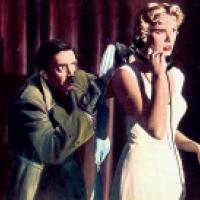
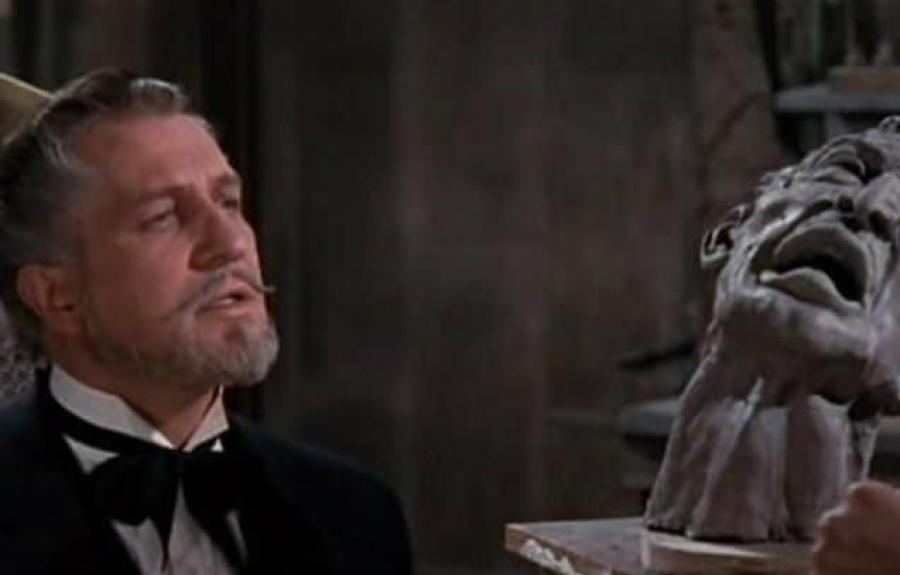
The first "golden age" of 3-D movie-making came in the 1950s. Andre de Toth's House of Wax (1953) and Alfred Hitchcock's Dial M for Murder (1954) were both part of this golden age, and although they took very different approaches, both directors were intent on showcasing the expressive potential of the new format. Like other formats and technologies introduced in the period, 3-D can be seen as an attempt to incentivize the theatrical experience motivated by the rise of television in the postwar period. However, audiences quickly grew wary of 3-D films, which developed a reputation for being gimmicky and technologically unreliable. Alfred Hitchcock's Dial M for Murder (1954) was filmed in 3-D, but was ultimately released in flat in response to audience preferences.
Nevertheless, filmmakers have remained interested in storytelling in three dimensions. New technological advances spurred a mini-surge in 3-D filmmaking in the late '70s and early '80s (mainly for B-movies) and again in the early 2000s with the rise of IMAX. Our series concludes with Steven Spielberg's Jurassic Park (1993), which was not originally filmed in 3-D. Rather, Spielberg reportedly originally dreamed of the film being in 3-D and embraced the opportunity to work with Studio D on a 3-D conversion of the film for its 20th anniversary in 2013.
For our 3-D screenings, each guest will receive a pair of 3-D glasses upon arrival. Seating is limited, so please book early to avoid disappointment.