
Collaborative Filmmaking; Indigenous Media
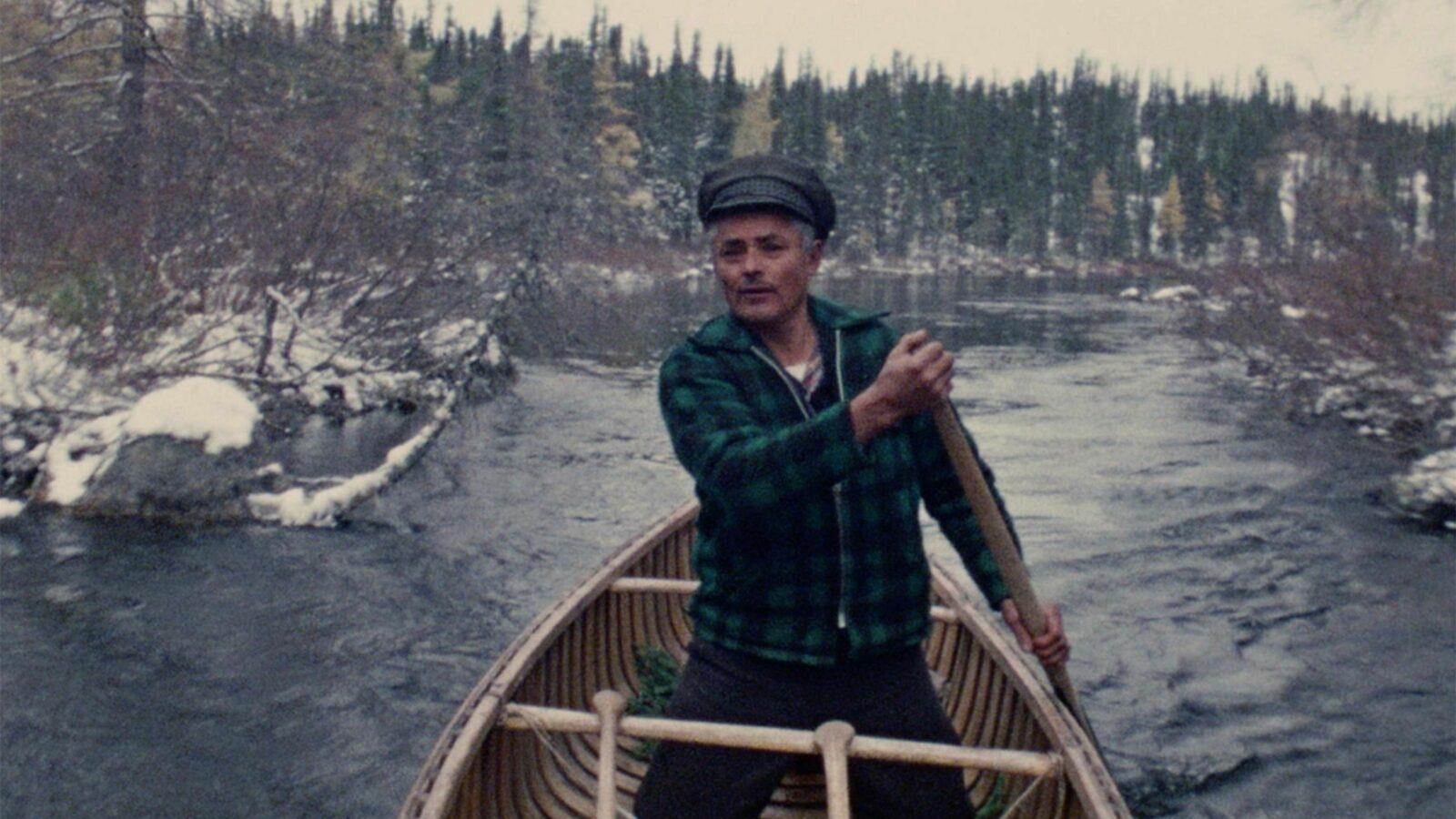
"Exploring Ethnographic Filmmaking" is a four-part film series that explores anthropology’s longstanding, complex engagement with visual media, asking how film has been used not only to document and render social life, but to categorize, analyze, theorize, and intervene in the world.
Program 3: Collaborative Filmmaking; Indigenous Media
Mobilize (2015, Caroline Monnet, 3 min)
Doing the Sheep Good (2013, Teresa Montoya, 25 min)
Shásh Jaa’: Bears Ears (2016, Angelo Baca, 21 min)
Ringtone (2016, Jennifer Deger & Miyarrka Media, 30 min)
Ghosts (2022, Jeffrey Palmer, 17 min)
Total runtime: ~1 hr 15 min
This program centers collaborative, Indigenous, and community-based filmmaking practices that challenge extractive models of ethnography. The films foreground sovereignty, relational accountability, and media-making as a form of political and cultural labor. Here, ethnographic film becomes a means of advocacy, self-representation, and continuity, embedded in ongoing struggles over land, recognition, and governance.
Rather than treating film as an external analytic tool, these works emphasize co-presence, shared authorship, and the ethics of making images with, rather than about, communities. The program highlights how Indigenous media practices expand anthropology’s methodological horizons, demonstrating how visual storytelling can articulate political claims of sovereignty, sustain cultural knowledge, and reconfigure relations between filmmakers, subjects, and audiences.
The screening will be introduced by Natasha Raheja, Assistant Professor of Anthropology and Performing & Media Arts.
Free admission! Sponsored by the Department of Anthropology, the Nazaara Media Lab, Visual Anthropology Research Lab at Cornell University, the Department of Performing & Media Arts, the Southeast Asia Program, South Asia Program, Cornell Media Studies, the Qualitative and Interpretive Research Institute (QuIRI), and the American Indian and Indigenous Studies Program (AIISP).