
Possible Landscapes
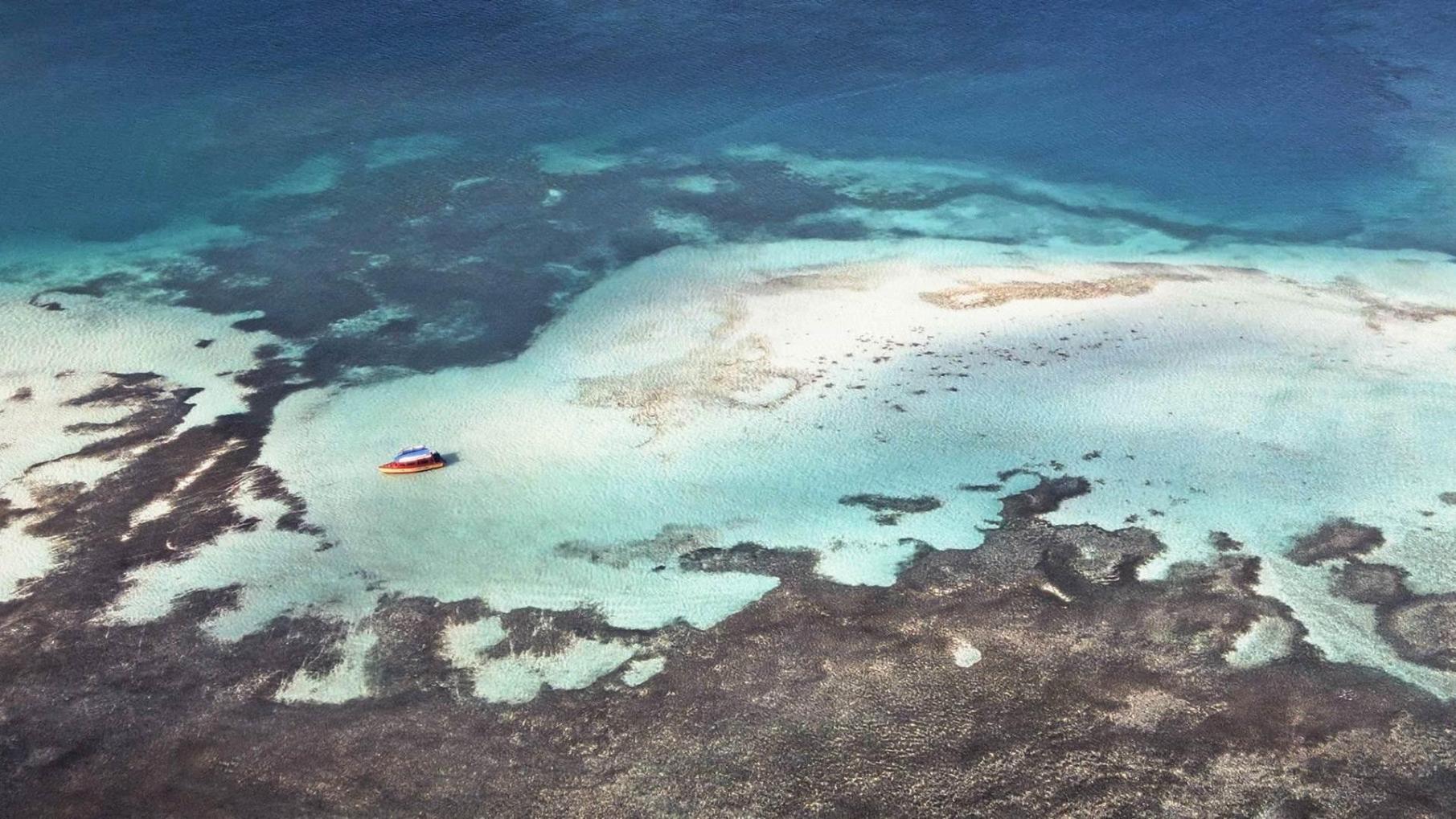
Possible Landscapes is a poignant exploration of intergenerational experiences of landscape and environmental transformation in the Caribbean. Shot across two seasons in Trinidad and Tobago, the film immerses viewers in sugarcane fields, winding mountain valleys, and pristine seas that mask the devastation of dying coral reefs and takes them through unfinished homes that stretch into oil fields and fishing communities that struggle against the ravages of the Atlantic.
Possible Landscapes joins seven people in seven different regions of the Caribbean islands of Trinidad and Tobago in the course of their daily lives: Kevin, a fisherman on the east coast suffering the recent loss of one of his crew members at sea; four generations of the Josephs family in the steep hillsides of the northern range; Captain ‘Spaceman’ Philips and his glass-bottomed boat in Tobago from which he has witnessed the decline of the coral reefs; Crystal, a trade unionist active in supporting workers who lost their jobs when a major oil refinery was closed; Romulas, known as the “last sugar cane farmer” in the central plains and his Venezuelan workers; Stephanie a nurse who worked in the oil fields in the south starting just after World War II; Tony, originally from Jamaica, a climate change analyst, agriculturalist and rabbit farmer in St Joseph.
A collaboration between a documentary filmmaker, Kannan Arunasalam, and two professors, Tao DuFour (Architecture) a spatial theorist and Natalie Melas (Comparative Literature) a postcolonial comparatist and student of Caribbean thought, Possible Landscapes is the outcome of the team research project, “Possible Landscapes: Documenting Environmental Experience in Trinidad and Tobago,” funded through a grant from Cornell University’s Migrations: A Global Grand Challenge and the Mellon Just Futures Initiative.
The Possible Landscapes research project set out to develop methods of field research and representation, drawing on the visual and narrative resources of documentary film, that foreground intergenerational lived experience of landscapes and environments in the Caribbean islands of Trinidad and Tobago, and to query the formation of environmental and climate imaginaries, with a view to getting at larger historical questions—of migration, plantation societies, extractivism, race, and the legacies of colonialism—that inform everyday practices in ways that are difficult to identify and to articulate, because they are concretely lived.
Filmmaker Kannan Arunasalam and producer Natalie Melas, Associate Professor of Comparative Literature at Cornell, will join for a conversation after the screening.
Free admission! Sponsored by the Migrations Program and the Latin American and Caribbean Studies Program at the Einaudi Center for International Studies.
In Trinidad Creole, Creole, and English with English subtitles. Courtesy of the filmmakers.
Part of our "Stories in Motion" series.